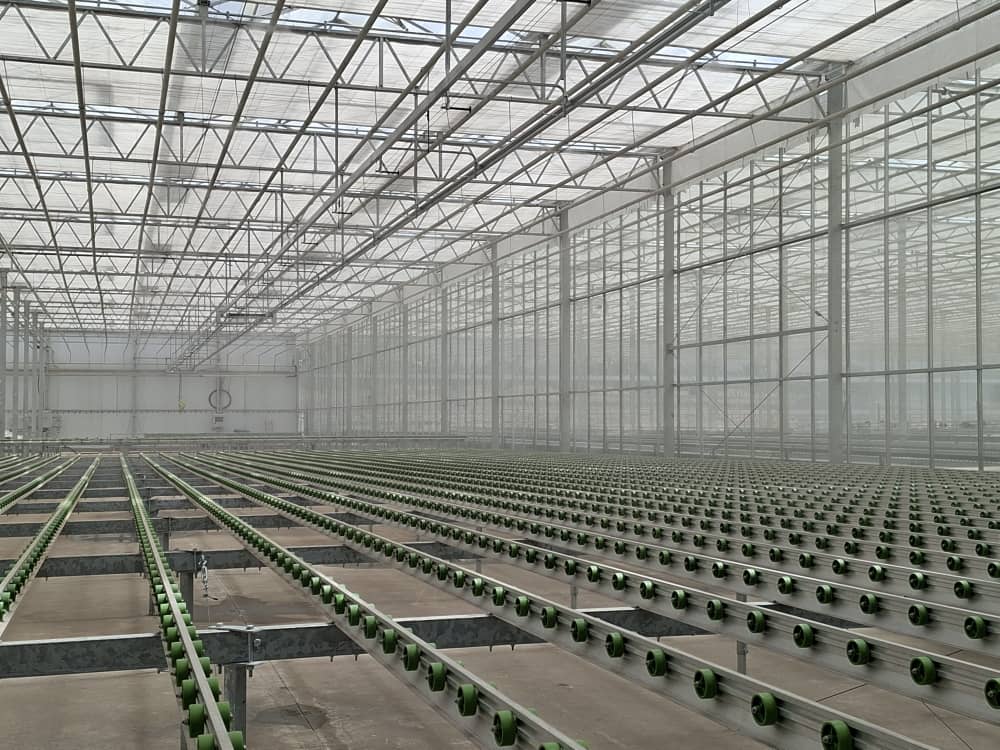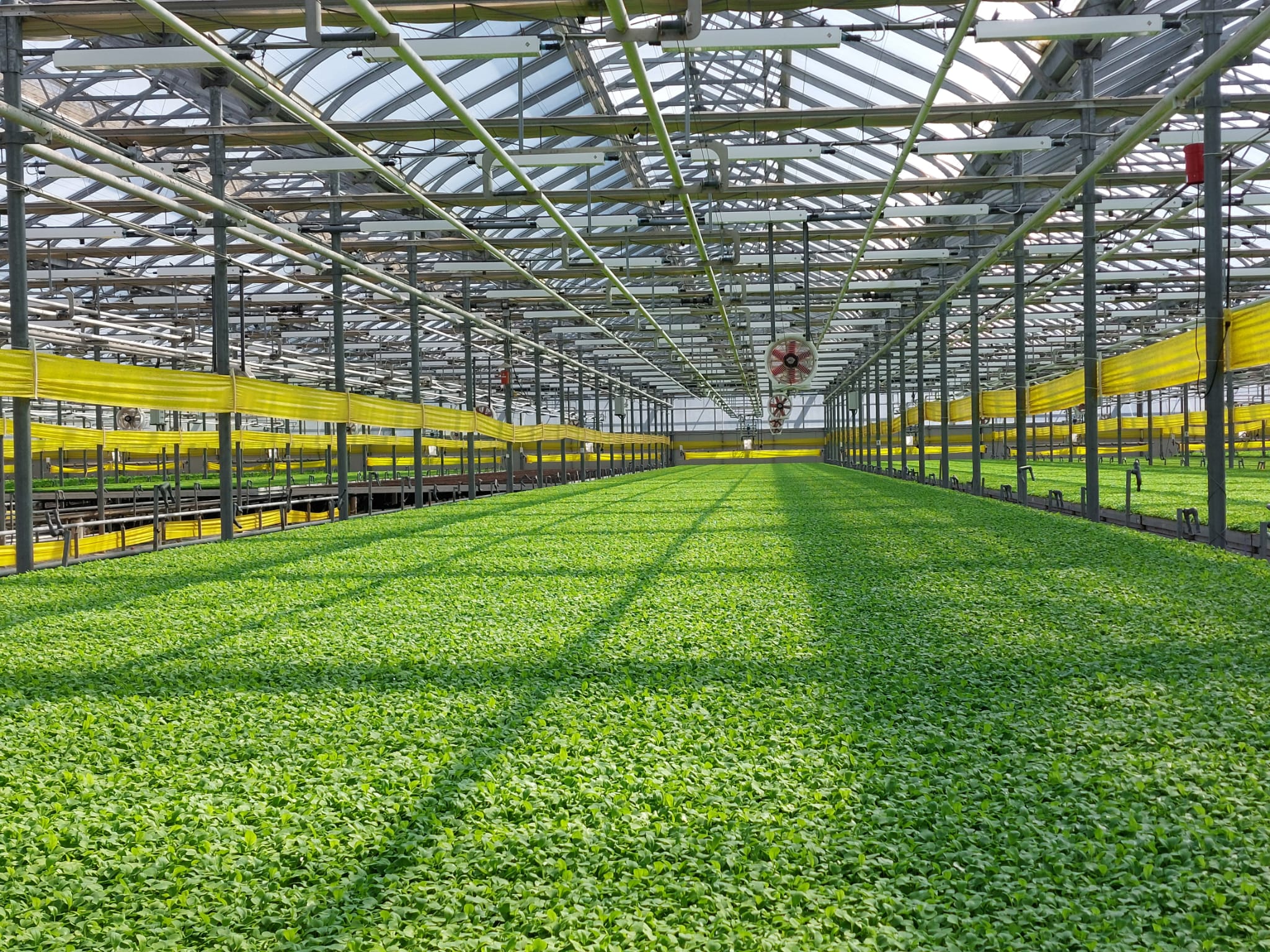
The leafy greens sector within Controlled Environment Agriculture (CEA) has evolved rapidly over the past decade, introducing a wide range of product types and commercial strategies for growers and investors. However, there remains a considerable lack of clarity around how different product categories, such as teen leaves, baby leaves, and full lettuce heads, are defined, cultivated, and positioned in the market.
This article aims to provide a structured overview of the main product categories cultivated in modern greenhouses and fully indoor vertical farms, along with insights into yield potential, planting densities, morphology, and regional market preferences.
Product categories within the leafy greens segment
Commercially, leafy greens are typically divided into four main categories:
- Full Lettuce Heads
- Teen Leaves
- Small Leaves
- Baby Leaves
Each category requires a different cultivation strategy, growth cycle, and system configuration, influencing the final yield, product morphology, and commercial value. In most markets, these products are sold through retail, wholesale, or auction channels.
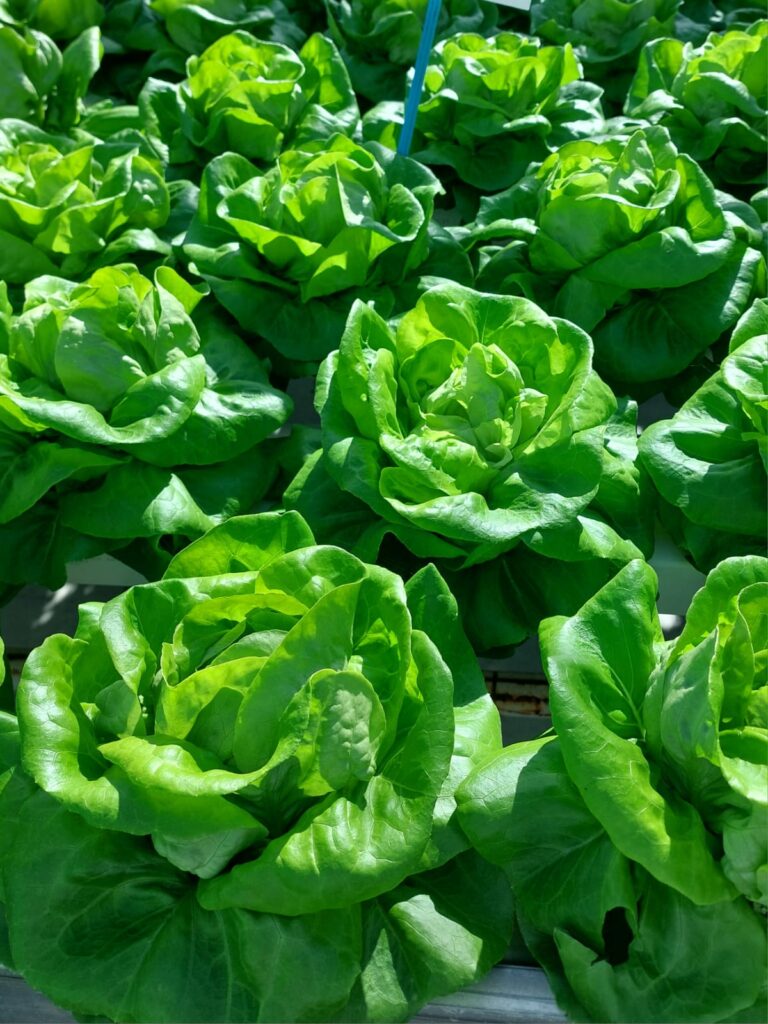
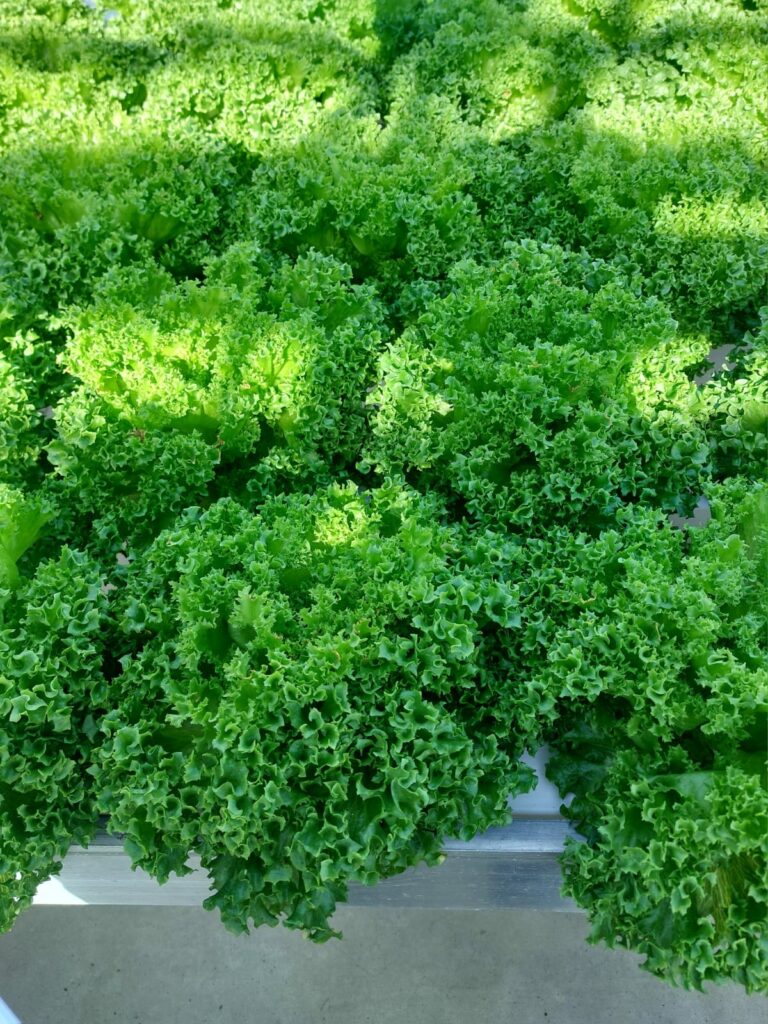
Full lettuce heads
Full lettuce heads represent the most traditional product within the greenhouse segment. This category mainly focuses on mature lettuce types, excluding herbs. A full head typically weighs above 160 grams, though weight can vary depending on the geographic region and buyer preference, commonly ranging between 160 and 220 grams per head.
In some markets, such as Belgium, larger heads of 250–450 grams are preferred. These products are well-suited for retail and food service channels that value consistent quality, appearance, and shelf life.
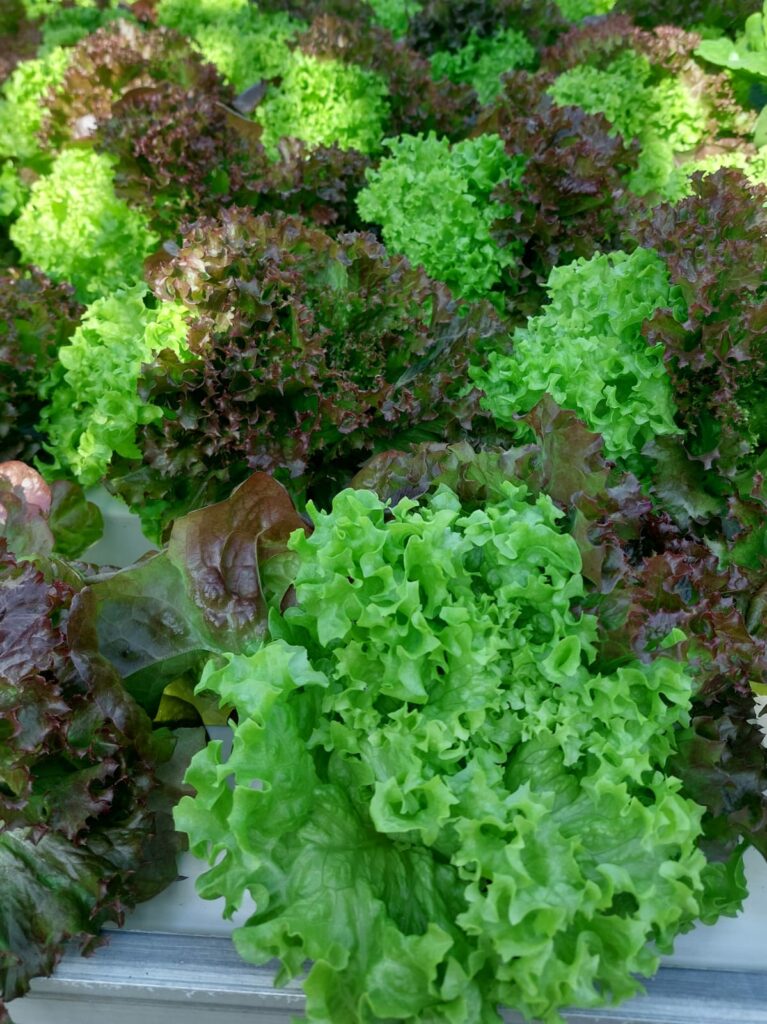
Teen leaves
The teen leaf category refers to young lettuce heads that are harvested at an earlier growth stage, approximately 28 to 30 days after transplanting. Each plant typically weighs between 80 and 120 grams.
These varieties are often genetically bred to form compact hearts, allowing mechanical harvesting with minimal biomass loss. The leaves, usually 10–15 cm in height, are processed into ready-to-eat salad mixes widely seen in supermarkets.
This category combines the visual appeal of full lettuce heads with the processing efficiency of smaller products, making it a popular choice for automated greenhouse systems.
Small leaves
Small leaf production is very similar to the teen leaf category but utilizes a higher planting density, typically between 200 and 400 plants per square meter. The increased competition between plants results in tender, thinner leaves, which are particularly appealing for fresh salad mixes.
The individual plant yield ranges between 15 and 30 grams, and harvesting generally occurs when the leaf height reaches 10–15 cm. The cultivation of small leaves offers flexibility for growers who wish to target a balance between volume and quality while maintaining short growth cycles.
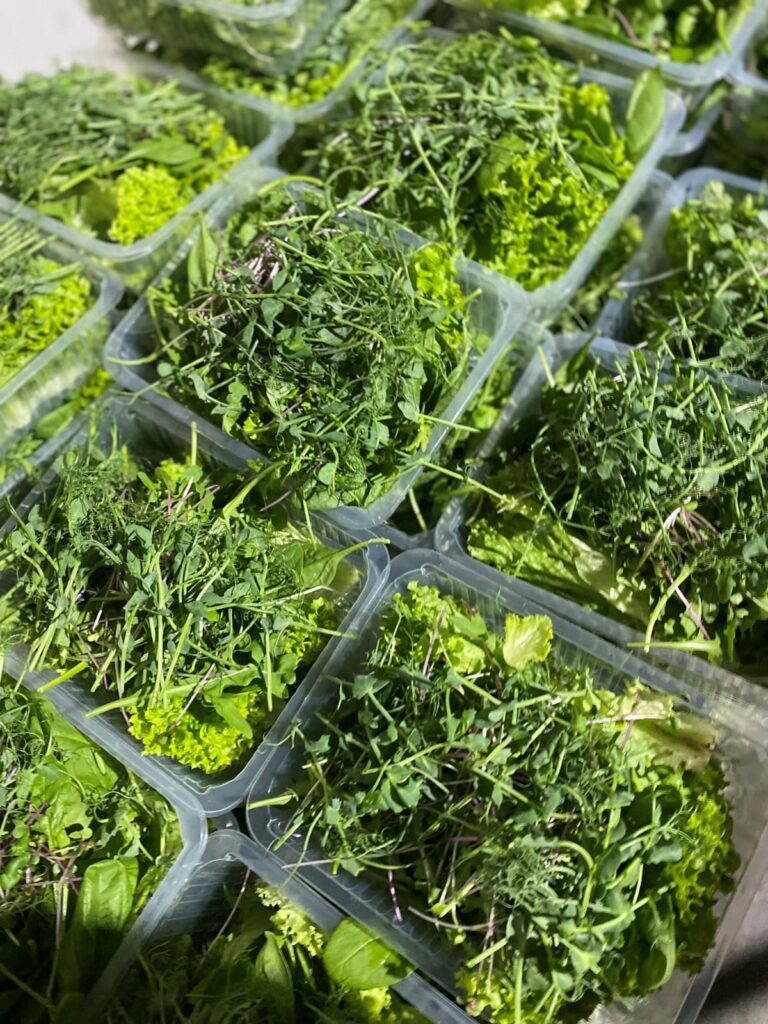
Baby leaves
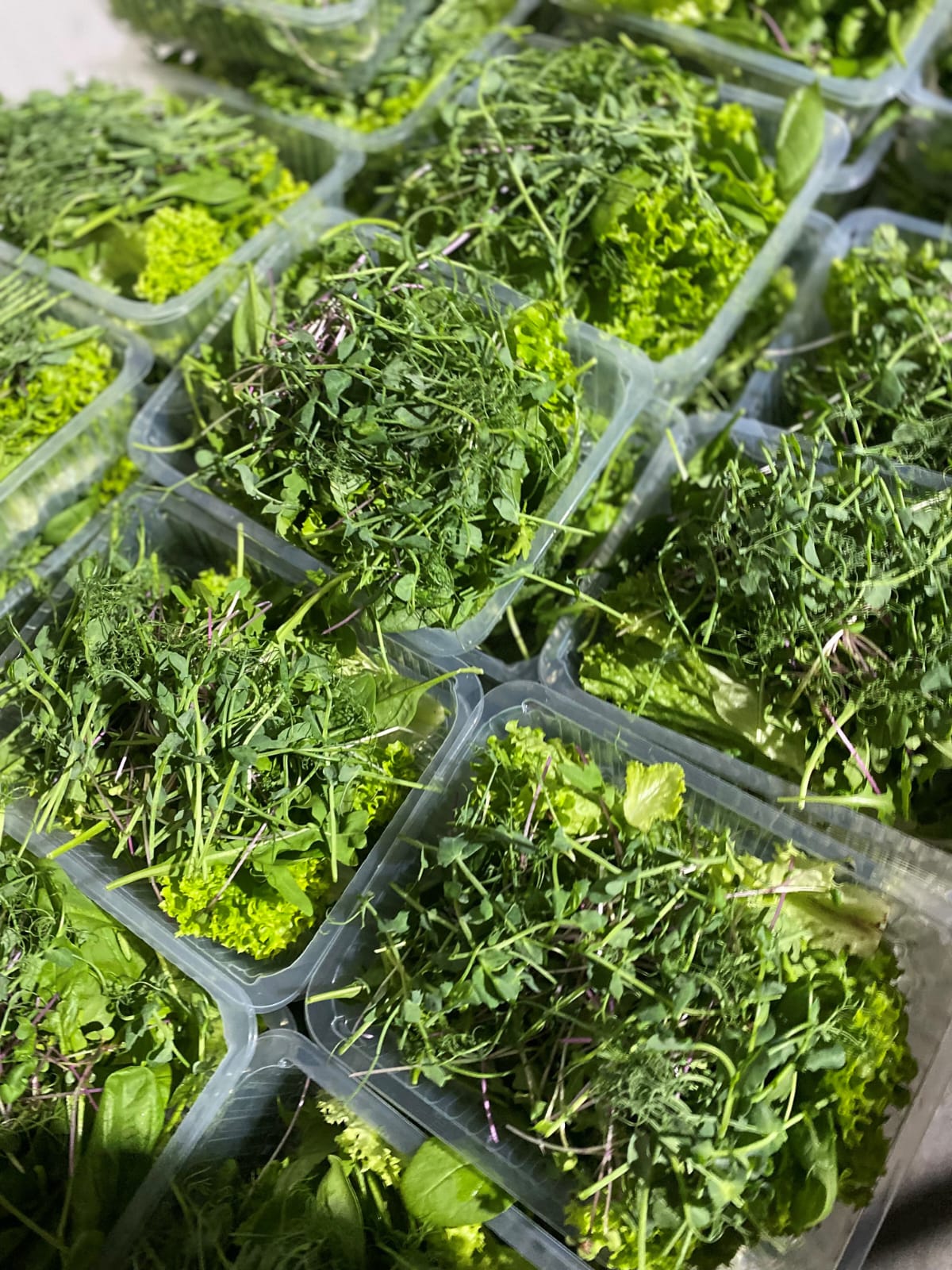
Baby leaves are a diverse and versatile category that includes not only lettuce but also herbs, rocket (arugula), pak choi, and other leafy species. These crops are cultivated at very high densities, typically between 800 and 1,200 plants per square meter, and harvested when leaves reach 8–10 grams per plant.
The harvesting process involves cutting the stem close to the base, producing fine, tender leaves suitable for mixed salad products. This category dominates the ready-to-eat salad industry due to its fast turnaround, attractive texture, and consistent yields.
Product morphology and market trends
Technological innovation and consumer demand continue to shape product development within the leafy greens market. Some of the most notable trends include:
- Forkable leaves (~14 cm), characteristic of teen leaf varieties designed for single-serve salads.
- Mixed color combinations, such as red and green lettuce blends, often combined with baby rocket for visual appeal and flavor diversity.
- Salanova® lettuce types, bred to produce multiple small leaves per head, making them ideal for post-harvest processing.
- Brassicas, including bok choy and similar crops, developed for both full-head and processed applications.
- Living lettuces and herbs, sold with roots attached to extend shelf life and enhance product value.
These trends demonstrate the market’s focus on visual presentation, and sustainability.
Regional preferences and market positioning
When selecting which leafy greens to cultivate, local consumer preferences and climatic conditions must be considered carefully. Geographic trends across Europe, for example, show clear distinctions:
- Scandinavia: Preference for 3D-shaped lettuces with crisp leaf edges.
- Mediterranean regions: Strong demand for Romaine and Batavia types.
- Northern Europe: Preference for butterhead lettuces and brassica varieties.
Other lettuce types mentioned above are still emerging and, in many cases, have not yet achieved a stable or well-defined market position.
Concluding remarks
Choosing the right product category is a strategic decision that directly impacts production costs, yield performance, and business success. A deep understanding of plant physiology, system design, and market dynamics is essential to make well-informed choices.
At Agranom, we specialize in CEA leafy greens and herb projects, offering an integrated approach that combines hands-on technical expertise with strategic business planning. Our objective is to ensure that every project achieves long-term success by implementing the right technologies, optimizing crop selection, and maintaining a focus on both product quality and return on investment.
For further information or professional guidance on product selection and cultivation strategy, feel free to contact denis.laci@agranom.nl or visit our website at www.agranom.nl.