An often underestimated yet critical factor in successful hydroponic production is seed quality and protection. Although typically considered part of preparation rather than cultivation, it directly influences germination rates, crop uniformity, and overall production performance. Poor seed handling or suboptimal genetics can lead to uneven growth, reduced yields, and increased disease pressure, making this stage essential for growers aiming for consistency and efficiency.
Seed types and application
In commercial leafy greens facilities, growers generally use either naked or pelleted seeds. Naked seeds are untreated, making them more cost-effective but also more vulnerable to environmental stress and external threats. Pelleted seeds, on the other hand, are coated with a protective layer that improves handling, protects the seed during early development, and ensures more stable moisture conditions during germination. As a result, pelleted seeds typically deliver higher and more uniform germination rates. It is worth noting that pelleted seeds have a much higher purchase cost compared to naked seeds.
In practice, naked seeds are mostly used in high-density systems such as baby leaf production, while pelleted seeds are preferred for lower-density hydroponic systems like teen leaf and full head cultivation, where uniformity plays a more critical role.
Genetics and seed selection
Based on our experience, genetics represent one of the most important factors in production success, contributing to more than 70% of the final outcome. We strongly recommend the use of indoor CEA hydroponic varieties, particularly those developed by leading Dutch breeders, which are specifically bred for controlled environment and artificial lighting conditions, and are supported by advanced pelleting technologies.
When selecting seeds, growers should prioritize resistance to key threats such as Bremia, aphids, mildew, and Pythium. In addition, seeds should be certified as disease-free and demonstrate high germination capacity and strong uniformity.
Storage and handling practices
Maintaining seed quality requires strict storage and handling protocols. Seeds should ideally be purchased close to the time of use, with a maximum storage period of six to eight months. Before opening, they should be stored in a dry environment, protected from direct sunlight, and kept at temperatures between 15 and 20 °C.
Once opened, seeds must be stored in sealed containers in a dry room with humidity levels below 30% and temperatures between 10 and 20 °C. Exposure to sunlight, artificial light, or moisture should be avoided at all times, as these factors can quickly reduce seed viability.
Germination best practices
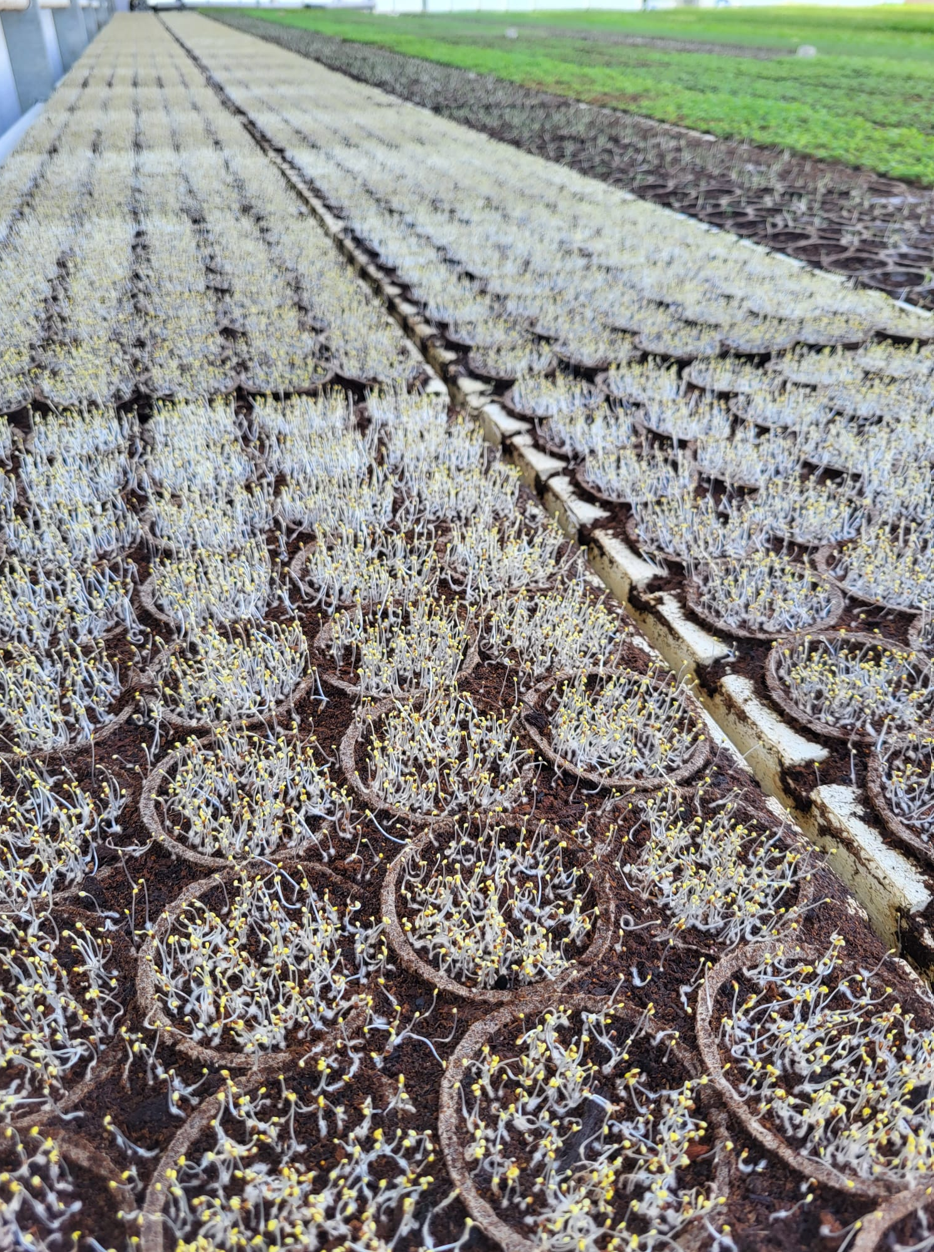
During germination, careful moisture management is essential. Seeds must be fully saturated to initiate the process; however, excessive or continuous wetness can lead to rotting, significantly reducing germination rates or damaging the entire batch.
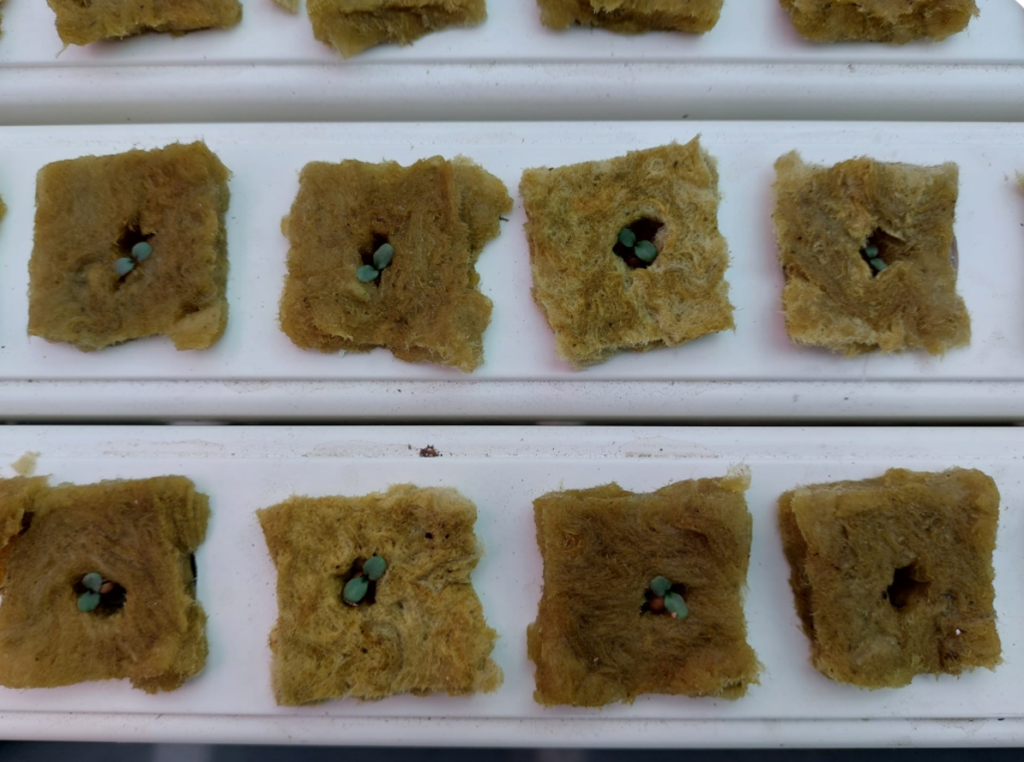
Equally important is correct seeding depth. Seeds should be placed at approximately 1 to 1.5 cm depth and lightly covered with a loose substrate such as peat, perlite, or wood fiber. This ensures proper insulation and moisture balance, supporting consistent and reliable germination for both naked and pelleted seeds.
Final considerations
At Agranom, we emphasize that a successful crop begins with a strong and uniform start. By combining high-quality genetics with proper seed protection, storage, and handling practices, growers can significantly improve reliability and overall production performance. Attention to detail at this early stage ultimately defines the success of the entire cultivation cycle.
We remain committed to supporting the development of the CEA leafy greens industry by bridging the gap between advanced greenhouse technologies and real-world execution. Our goal is to help growers and investors build efficient, profitable, and future-ready facilities.
For further information or expert support, please contact denis.laci@agranom.nl or visit www.agranom.nl